The Future of Luxury May Be Quieter, But It Will Require More Intention
Luxury is becoming less about visible excess and more about how carefully an experience is held. The future may be quieter, but it will require more intention than ever.
For years, luxury was easy to recognize.
It announced itself through the grand entrance, the elaborate suite, the visible label, the impossible reservation, the room everyone wanted to be seen inside.
Luxury had a language of arrival.
Now, something is shifting.
A recent hospitality trend report from Accor describes affluent travelers moving away from flamboyance and toward a quieter kind of luxury, one defined by discretion, reflection, intimacy, disconnection and highly curated experiences. The report frames this as luxury taking an “inward turn,” where meaning, privacy and emotional depth become more desirable than obvious display.
I find this shift fascinating because it confirms something I have believed for a long time:
Luxury is becoming less about how loudly an experience announces itself and more about how carefully it is held.
The future of luxury may be quieter, but it will require even more intention.
Not Less Luxury, More Meaning
Quiet luxury is often mistaken for simplicity.
A neutral room. A minimal wardrobe. A restrained palette. A lack of obvious logos.
But in hospitality and events, quiet luxury is not simply an aesthetic choice. It is a different way of thinking.
It asks:
Who is this experience really for?
What should the guest feel?
Where should there be privacy?
Where should there be ceremony?
What should remain unspoken, but still deeply felt?
That is where the real work begins.
Because a quieter experience cannot rely on spectacle to create impact. It must rely on precision. Every detail has to carry more weight because there is less noise to hide behind.
The way a guest is welcomed matters.
The timing of a meal matters.
The lighting matters.
The distance between tables matters.
The music level matters.
The way a team anticipates without hovering matters.
The way a space allows people to soften, exhale, reflect and connect matters.
This kind of luxury is not about removing beauty. It is about making beauty feel more personal.
Privacy Is Becoming Part of the Experience
In a culture where almost everything is shared, documented and made visible, privacy has become increasingly valuable.
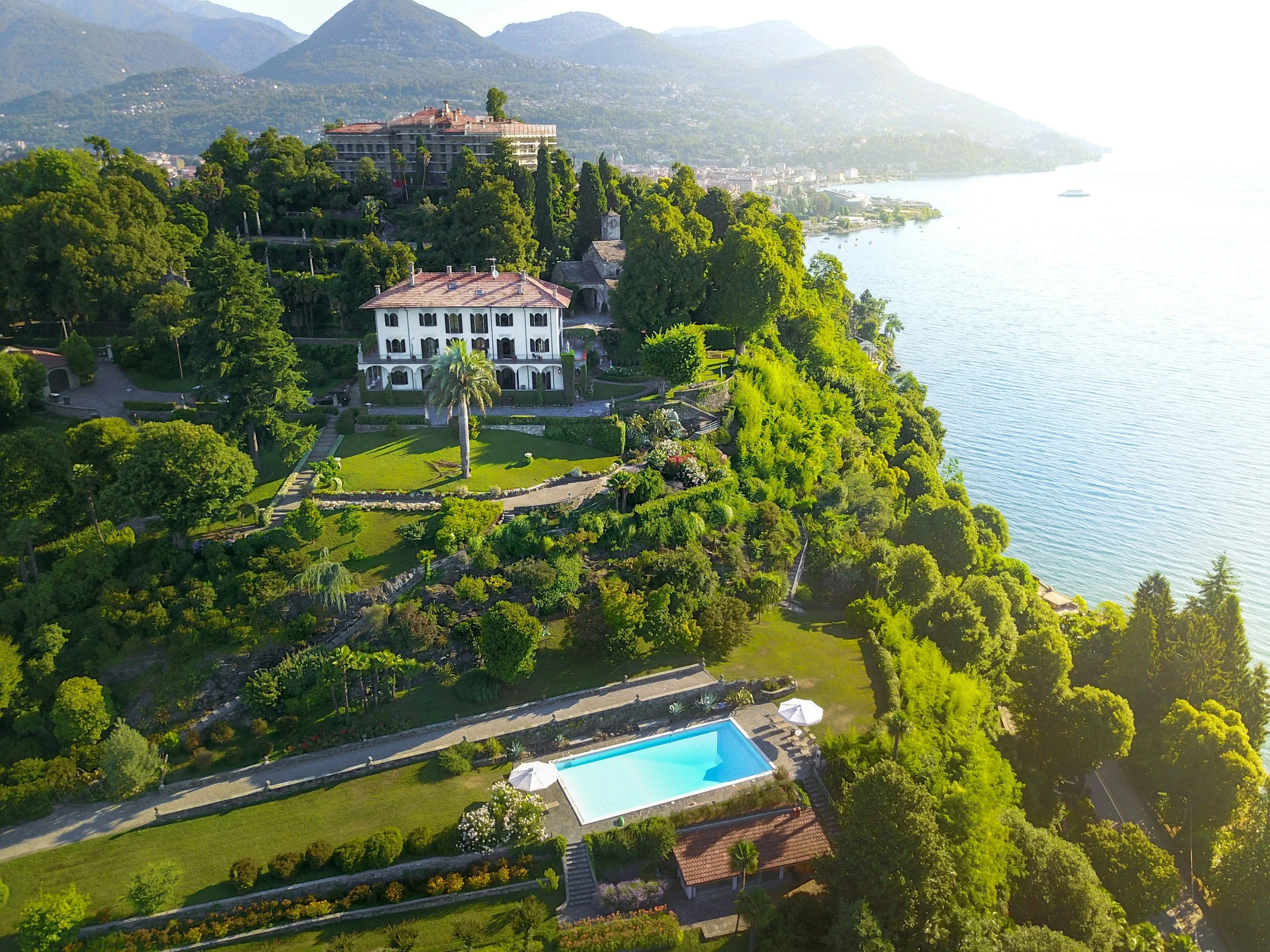
For luxury travelers, privacy may mean choosing a remote destination over the most famous one. It may mean a hotel that offers discretion over performance. It may mean an experience designed for restoration instead of constant stimulation.
For weddings and private celebrations, privacy can mean something equally powerful.
It can mean giving a couple the chance to experience their celebration before the internet does.
It can mean creating spaces where family can gather without feeling observed.
It can mean designing moments that are not meant to be posted, repeated or explained to anyone outside the room.
That does not make the experience less beautiful.
It may make it more meaningful.
There is a difference between an event designed to impress everyone who sees it and an event designed to deeply move the people who were invited into it.
The first may travel faster.
The second may stay longer.
Intimacy Requires Design
One of the most important misconceptions about intimate luxury is that it is easier to create.
Smaller does not automatically mean more thoughtful.
Quiet does not automatically mean more refined.
Private does not automatically mean more meaningful.
In many ways, intimacy requires even greater discipline.
When the guest list is smaller, every relationship in the room matters more.
When the design is restrained, every material choice becomes more noticeable.
When the experience is private, the emotional tone has to be even more carefully considered.
There is nowhere to hide.
A large event can sometimes use energy, scale and production to create momentum. An intimate experience depends on emotional architecture. It depends on the rhythm of the evening, the quality of conversation, the seating, the pacing, the transitions and the unspoken sense that someone has thought about what each guest might need.
This is why I believe the next chapter of luxury hospitality will belong to those who understand feeling as much as form.
The New Luxury Is Emotional Fluency
As luxury becomes quieter, emotional intelligence becomes more important.
So does cultural fluency.
Because privacy does not mean the same thing to every guest.
Intimacy does not feel the same in every culture.
Ceremony, discretion, family, generosity, status and belonging all carry different meanings depending on the person, the family, the community and the setting.
A quiet luxury experience for one client might mean no public-facing details, no visible branding and no unnecessary attention.
For another, it might mean a deeply personal ritual, a private dinner filled with cultural references or a space where family is honored in a way that feels generous but not performative.
This is where luxury becomes less about a universal code and more about interpretation.
The question is no longer simply, “What looks expensive?”
The better question is, “What feels meaningful to this person, in this moment, with these people?”
That is the level of discernment the future will require.

Quiet Does Not Mean Empty
I do not believe luxury is moving away from beauty.
I believe luxury is moving away from emptiness.
A room can be stunning and still feel cold.
A hotel can be expensive and still feel impersonal.
A wedding can be visually breathtaking and still miss the emotional center of the couple.
The most compelling luxury experiences of the future will not be quieter because they lack imagination. They will be quieter because they are more edited, more personal and more intentional.
They will understand when to create ceremony and when to create stillness.
When to impress and when to protect.
When to reveal and when to withhold.
When to create a grand gesture and when to let a small, deeply personal detail do the work.
That is not less luxury.
That is luxury with greater maturity.
For Hospitality, This Is a Leadership Question
This shift also has implications for hotels, venues, brands and event professionals.
If guests are seeking more privacy, depth and meaning, then the experience cannot be built by aesthetics alone.
It requires leadership.
It requires a team trained to read the room.
It requires service that feels intuitive rather than scripted.
It requires design that supports emotion, not just photography.
It requires brands to stop asking only how something will look and start asking how it will be remembered.
The Accor trend report points toward a broader movement in hospitality, one where reflection, intimacy and disconnection are becoming part of the value proposition.
That matters because the most valuable experiences are no longer just the ones people can access.
They are the ones that make people feel considered, protected and understood.
The Future Will Belong to the Most Intentional Hosts
Quiet luxury is not about being plain.
It is not about doing less.
It is not about stripping away personality until everything looks the same.
It is about knowing what matters enough to keep.
It is about understanding that discretion can be a form of care.
That intimacy can be a form of status.
That meaning can be more powerful than display.
And that the most memorable experiences are often the ones that do not need to announce themselves to be felt.
The future of luxury may be quieter.
But it will require more intention, more emotional intelligence and more humanity than ever
Work With Me
Akeshi Akinseye is a hospitality strategist, global tastemaker, author and speaker known for her perspectives on luxury, celebration and meaningful human experiences. As the founder of Kesh Events and The Art of Celebrating, she helps luxury brands, hospitality companies and organizations create experiences that people remember long after the event ends.
Whether speaking to hospitality executives, creative entrepreneurs or global brands, Akeshi challenges audiences to think differently about leadership, guest experience, AI, hospitality and the future of luxury.
Whether you are building a luxury hospitality brand, planning an unforgettable experience or looking for a keynote speaker, Akeshi would love to connect.
Weddings and Events
Hospitality Consulting
Speaking and Keynotes
Brand Collaborations
